
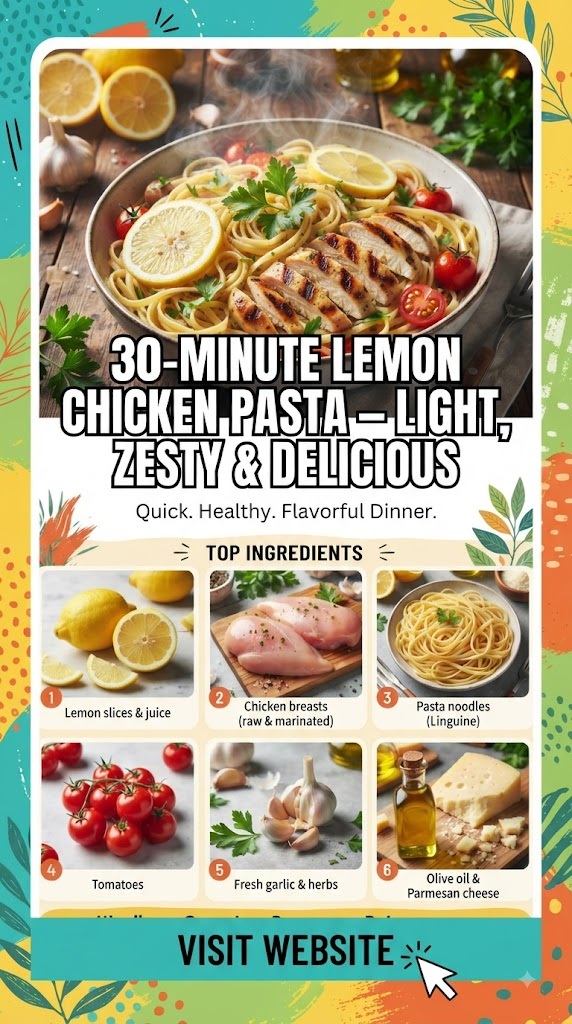
Lemon Chicken Pasta: A Bright, Light & Healthy 30-Minute Dinner
In the world of weeknight dinners, finding a meal that is both quick to prepare and genuinely satisfying can feel like a constant challenge. Enter Lemon Chicken Pasta, a dish that has captured the hearts of home cooks across the USA for its perfect balance of vibrant flavors and comforting simplicity. This is not your average heavy, cream-laden pasta; it’s a light, fresh, and zesty meal that feels like a celebration of summer, any time of year.
What Is Lemon Chicken Pasta?
At its core, a light and healthy lemon chicken pasta is a simple, elegant dish that combines lean protein, complex carbohydrates, and a bright, flavorful sauce. Unlike heavier Alfredo or mac and cheese, this recipe focuses on the natural flavors of its ingredients. The key is a sauce that is often “creamless,” relying on a clever emulsion of lemon juice, good olive oil, and starchy pasta water to create a silky, satisfying coating for the pasta . The result is a dish that is deeply flavorful without being weighed down, making it a popular choice for those seeking a healthier lifestyle.
Key Ingredients
The beauty of a fresh lemon chicken pasta lies in its simplicity. Most of these ingredients are pantry staples you likely already have on hand.
- Chicken: Boneless, skinless chicken breasts are the go-to for this dish, as they are lean and cook quickly. Pounding them to an even ½-inch thickness ensures they cook evenly and stay tender and juicy .
- Pasta: A long noodle like linguine, fettuccine, or spaghetti is traditional, but short shapes like penne or farfalle work perfectly too. The key is to cook it to al dente perfection. For a healthier twist, whole wheat pasta is an excellent choice .
- Fresh Lemon: This is the star of the show. Both the zest and the fresh juice are essential for achieving a bright, authentic citrus flavor. Bottled lemon juice simply cannot compare and can impart a harsh, chemical taste .
- Garlic: Minced fresh garlic provides a warm, aromatic base that complements the lemon’s zing .
- Good Olive Oil: A high-quality extra virgin olive oil is used to sauté the chicken and forms the foundation of the light sauce .
- Parmesan Cheese: Freshly grated Parmesan adds a nutty, savory depth to the dish. Pre-shredded or powdered versions won’t melt as smoothly or offer the same rich flavor .
- Fresh Herbs: A sprinkle of fresh parsley at the end adds a pop of color and a final layer of fresh flavor.
How to Make a Light & Healthy Lemon Chicken Pasta
This recipe comes together in under 30 minutes, making it a perfect weeknight savior.
Total Time: 25-30 minutes
Servings: 4
Step-by-Step Instructions:
- Cook the Pasta: Bring a large pot of heavily salted water to a rolling boil. Add your pasta and cook according to package directions until al dente . Crucial Step: Before draining the pasta, reserve about 1 to 1.5 cups of the starchy pasta water. This “liquid gold” is the secret to a silky, creamy sauce without the cream .
- Season & Cook the Chicken: While the pasta boils, season your chicken breasts on both sides with salt, pepper, and a bit of lemon zest for an extra layer of flavor . Heat 1-2 tablespoons of olive oil in a large skillet over medium-high heat. Cook the chicken for 4-6 minutes per side until golden brown and cooked through, reaching an internal temperature of 165°F . Remove the chicken to a plate and let it rest.
- Build the Flavor: Reduce the heat to medium and add a splash more olive oil to the skillet. Add your minced garlic and cook for about 30 seconds until fragrant, being careful not to burn it .
- Deglaze the Pan: Pour in about ½ cup of dry white wine or low-sodium chicken broth to deglaze the pan, scraping up all those delicious browned bits from the bottom with a wooden spoon. Let it simmer and reduce by about half for 2-3 minutes .
- Create the “Creamy” Sauce: Add the fresh lemon juice and about 1 cup of your reserved pasta water to the skillet. Bring it to a gentle simmer, whisking occasionally. The starch from the water will thicken the sauce slightly, creating a light emulsion .
- Combine & Serve: Add your drained pasta to the skillet. Slice the rested chicken and add it to the pan along with the lemon zest and fresh parsley. Toss everything together vigorously for about a minute, allowing the pasta to absorb the sauce. If it seems dry, add more reserved pasta water a tablespoon at a time until you reach a silky consistency. Top with freshly grated Parmesan cheese and serve immediately .
Storage: Leftovers can be stored in an airtight container in the refrigerator for up to 3 days. To reheat, add a splash of water or broth to a skillet over medium heat and gently warm the pasta to revive the sauce .
How to Use This Dish
This dish is best enjoyed fresh, hot, and tossed. It serves beautifully as a main course for a family dinner, a quick meal for two, or even as a more elegant, stress-free option for casual entertaining. Pair it with a crisp green salad or some steamed asparagus for a complete, satisfying meal.
Potential Benefits
A light lemon chicken pasta offers several potential benefits as part of a balanced diet.
A Lean Protein Powerhouse
Chicken breast is a fantastic source of lean protein, which is essential for building and repairing muscle tissue, keeping you feeling full and satiated, and supporting overall health .
Rich in Vitamins and Antioxidants
Fresh lemon is packed with vitamin C and antioxidants. Vitamin C supports a healthy immune system and helps the body absorb iron, while antioxidants may help protect cells from damage. The garlic in the dish also offers beneficial compounds .
A Balanced, Satisfying Meal
By combining lean protein with complex carbohydrates from the pasta, this meal provides a good source of energy that is digested steadily, helping to avoid the sugar crashes associated with less balanced meals. Choosing a whole-grain pasta can further boost the fiber content .
Why These Ingredients May Work
The science behind this dish’s appeal is as satisfying as its flavor. The primary magic happens in the sauce. When you vigorously toss al dente pasta with a small amount of fat (olive oil) and a starchy liquid (pasta water), the starch molecules bind with the fat, creating a stable emulsion. This simple process creates a sauce that is light, silky, and coats the pasta without the need for heavy cream . The fresh lemon juice provides acidity that brightens the entire dish, cutting through the richness of the olive oil and cheese and making it feel exceptionally refreshing.
Who May Benefit From This Remedy
This dish is a great option for anyone looking to add a delicious, nutritious, and simple meal to their rotation. It is particularly suited for busy adults who want a healthy dinner that doesn’t require hours of preparation. It’s also an excellent choice for those trying to incorporate more lean protein and fresh flavors into their diet without feeling deprived.
Possible Side Effects and Safety Precautions
For most people, this dish is healthy and safe. However, there are a few considerations:
- Allergies: This recipe contains dairy (Parmesan cheese) and gluten (pasta). Individuals with milk allergies or celiac disease should not consume it without making appropriate substitutions.
- GERD/Heartburn: For some individuals, the acidity from the lemon can trigger or worsen acid reflux or heartburn.
- Calorie Content: While lighter than cream-based pasta, this dish still contains a significant amount of calories and fat, primarily from the olive oil and cheese. It should be enjoyed in moderation as part of a balanced diet.
- Medication Interaction: There are no significant drug interactions with this dish.
Who Should Avoid It
- Individuals with dairy allergies or lactose intolerance: This dish relies on Parmesan cheese for flavor. However, it can easily be made dairy-free by simply omitting the cheese and adding a bit more lemon and salt to taste .
- Those with celiac disease or gluten sensitivity: Substitute the regular pasta with a certified gluten-free pasta variety .
How Long Does It Take to See Results?
This dish is not a quick fix for any health condition. As a meal, it provides immediate satisfaction and energy. The benefits mentioned (like protein for muscle repair and satiety) are cumulative and depend on a long-term, consistent, and balanced diet.
Tips for Best Results
- Use Fresh Lemons: This is the most important rule. The bright, complex flavor of fresh lemon zest and juice is what makes this dish spectacular .
- Don’t Forget the Pasta Water: Be generous and reserve at least 1 cup of the starchy pasta water. It is essential for creating the light, “creamy” sauce .
- Don’t Overcook the Chicken: Cooking chicken to 165°F ensures it remains tender and juicy rather than dry and tough .
- Cook Pasta Al Dente: This texture holds up best when tossed in the sauce and ensures the dish isn’t mushy .
- Taste and Adjust: Season your food at every stage. Taste the sauce before tossing in the pasta and adjust with salt, pepper, or a squeeze of extra lemon .
Common Mistakes to Avoid
- Using Bottled Lemon Juice: This will give the dish a flat, harsh, and bitter taste that lacks the brightness of fresh lemons .
- Skipping the Pasta Water: Without the starchy water, the sauce will be thin and watery, failing to cling to the pasta.
- Overcooking the Pasta: Overcooked pasta will become mushy when tossed in the sauce, ruining the texture of the dish .
- Using Pre-shredded Parmesan: Pre-shredded cheese often contains anti-caking agents that prevent it from melting smoothly, resulting in a grainy sauce .
Frequently Asked Questions (FAQs)
1. Is it better to use chicken breast or chicken thighs for lemon chicken pasta?
Chicken breast is the most popular choice for this dish because it’s lean, cooks quickly, and pairs wonderfully with the light, fresh flavors. Chicken thighs are richer and more flavorful but will add more fat to the meal.
2. Can I make this recipe dairy-free?
Absolutely. To make it dairy-free, simply omit the Parmesan cheese. The sauce, made from olive oil, lemon juice, and pasta water, is naturally dairy-free. You can add a little extra seasoning or nutritional yeast for a cheesy flavor .
3. How do I reheat leftover lemon chicken pasta?
The best way is on the stovetop. Add your leftovers to a skillet with a splash of water or chicken broth and gently warm over medium heat, tossing occasionally. This helps to re-emulsify the sauce and prevent it from becoming dry .
4. What’s the best pasta shape to use?
Linguine, fettuccine, and spaghetti are classic choices that hold the sauce well. However, short pasta like penne, farfalle, or rotini also work great and can be easier to eat .
5. What can I add to this pasta to make it even healthier?
This dish is a fantastic base for adding vegetables. Wilt in a few handfuls of fresh spinach at the end, or toss in steamed asparagus, broccoli, or halved cherry tomatoes to boost the nutrient and fiber content .
6. Can I use another type of citrus instead of lemon?
Yes, lemon is the classic choice, but you can experiment with orange or lime for a different flavor profile. Meyer lemons are also a great option for a slightly sweeter, less acidic taste .
7. Is this recipe actually good for you?
Yes, it is a balanced meal featuring lean protein, complex carbohydrates, and healthy fats. It’s much lower in saturated fat than cream-based pastas and is packed with fresh, beneficial ingredients like lemon and garlic .
Final Thoughts
Lemon Chicken Pasta is a shining example of how a few simple, high-quality ingredients can come together to create something truly special. It’s more than just a dinner; it’s a versatile, reliable, and genuinely healthy option for those busy nights when you crave comfort without the heaviness. By mastering this dish, you gain a recipe that will become a staple in your kitchen for years to come, impressing family and friends with its elegant simplicity.