
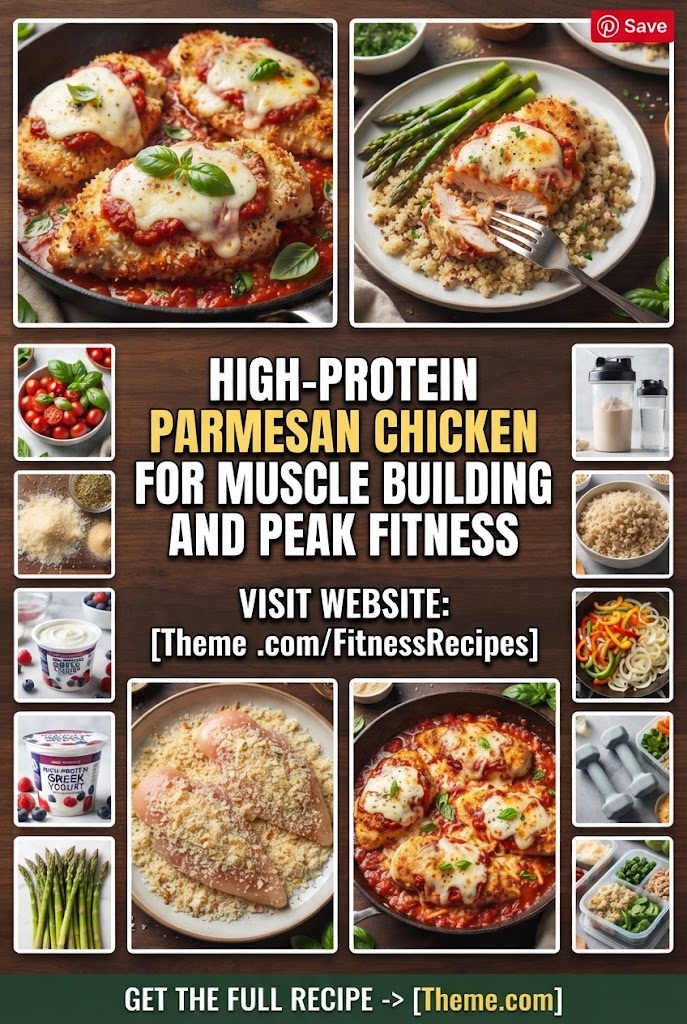
Achieving a sculpted physique and maximizing muscle hypertrophy requires more than just hours of grueling work in the weight room; it demands a meticulous approach to nutrition. Among the pantheon of fitness foods, chicken breast stands as the undisputed king of lean protein. However, the repetitive nature of plain grilled chicken can lead to “palate fatigue,” often causing athletes to stray from their nutritional goals. Enter the transformative power of Parmesan cheese.
Parmesan is not merely a topping; it is a nutritional powerhouse that provides a concentrated source of protein, calcium, and umami flavor that can elevate a standard fitness meal into a gourmet experience. This comprehensive guide explores the science of high-protein cooking and provides six master-class recipes designed to fuel your gains while satisfying your cravings.
The Synergy of Chicken and Parmesan for Athletes
Before diving into the recipes, it is essential to understand why this combination is a “cheat code” for muscle building.
1. The Amino Acid Profile
Chicken breast is a complete protein, meaning it contains all nine essential amino acids necessary for muscle repair. Specifically, it is rich in Leucine, the branched-chain amino acid (BCAA) that acts as the primary signal to trigger Muscle Protein Synthesis (MPS).
2. The Parmesan Protein Boost
Unlike softer cheeses, Parmesan is an aged, hard cheese. It has a lower water content and a higher protein-to-fat ratio. Just one ounce of Parmesan provides roughly 10 grams of protein. When used as a crust or a sauce base, it adds a significant “protein spike” to your meal without the excessive calories found in cream-based sauces.
3. Micronutrients for Recovery
Parmesan is exceptionally high in calcium and phosphorus, which are vital for bone density—a critical factor for lifters dealing with heavy loads. Furthermore, the fermentation process makes Parmesan easier to digest for many people compared to fresh dairy, ensuring that the nutrients are bioavailable for your body to use post-workout.
Recipe 1: The Classic Crispy Garlic-Parmesan Crusted Chicken
This is the flagship recipe for anyone looking for that “fried chicken” crunch without the inflammatory seed oils and excessive carbohydrates. This version uses an oven-baking or air-frying technique to keep the fats low and the protein high.
Ingredient Details
| Ingredient | Quantity | Purpose |
|---|---|---|
| Boneless, Skinless Chicken Breasts | 4 large (approx. 2lbs) | Primary protein source |
| Finely Grated Parmesan Cheese | 1 cup | Flavor, crust, and protein boost |
| Almond Flour | 1/2 cup | Low-carb binder for the crust |
| Large Eggs | 2 units | Binding agent |
| Garlic Powder | 2 tbsp | Metabolism-boosting flavor |
| Smoked Paprika | 1 tsp | Antioxidants and color |
| Italian Seasoning | 1 tbsp | Herbaceous depth |
| Sea Salt & Black Pepper | To taste | Electrolyte balance |
| Olive Oil Spray | Minimal amount | Crisping agent |
Step-by-Step Preparation Detail
- Preparation of the Meat: Start by patting the chicken breasts dry with paper towels. Moisture is the enemy of a crispy crust. If the breasts are uneven in thickness, place them under plastic wrap and gently pound them with a meat mallet to an even half-inch thickness. This ensures uniform cooking.
- The Dredging Station: Set up three shallow bowls.
- Bowl 1: Seasoned almond flour with salt and pepper.
- Bowl 2: Whisked eggs with a teaspoon of water.
- Bowl 3: The “Magic Mix”—combine the grated Parmesan, garlic powder, smoked paprika, and Italian seasoning.
- Coating the Chicken: Take a piece of chicken and dip it into the almond flour, shaking off the excess. Submerge it in the egg wash, then press it firmly into the Parmesan mixture. Ensure every inch is covered.
- The Baking Process: Preheat your oven to 400°F (200°C). Place a wire rack over a baking sheet. This allows hot air to circulate under the chicken, preventing a soggy bottom.
- Cooking: Lightly spray the coated chicken with olive oil. Bake for 18–22 minutes. The internal temperature should reach 165°F (74°C).
- The Resting Phase: Allow the chicken to rest for 5 minutes before slicing. This allows the juices to redistribute, ensuring the meat remains tender and succulent.
Recipe 2: Creamy Garlic Parmesan Chicken Skillet (The Bulk-Friendly Option)
For those in a “bulking” phase or looking for a high-calorie, high-protein meal to fuel intense leg days, this skillet recipe offers healthy fats alongside a massive protein hit.
Ingredient Details
| Ingredient | Quantity | Purpose |
|---|---|---|
| Chicken Thighs (Skinless) | 1.5 lbs | Higher fat for sustained energy |
| Fresh Spinach | 3 cups | Nitrates for blood flow |
| Grated Parmesan Cheese | 3/4 cup | Sauce thickener and protein |
| Heavy Cream (or Greek Yogurt) | 1/2 cup | Creamy base |
| Minced Garlic | 4 cloves | Anti-inflammatory properties |
| Chicken Bone Broth | 1/2 cup | Collagen and gut health |
| Red Pepper Flakes | 1/2 tsp | Thermogenic boost |
| Fresh Parsley | 2 tbsp | Garnish/Vitamin K |
Step-by-Step Preparation Detail
- Searing the Protein: Season the chicken thighs with salt and pepper. In a large cast-iron skillet, heat a teaspoon of olive oil over medium-high heat. Sear the chicken for 5–6 minutes per side until golden brown. Remove and set aside.
- Aromatic Base: In the same skillet, add the minced garlic. Sauté for 60 seconds until fragrant but not burnt.
- Deglazing: Pour in the chicken bone broth, using a wooden spoon to scrape up the “fond” (the brown bits) from the bottom of the pan. This is where the concentrated flavor lives.
- Creating the Sauce: Lower the heat to medium-low. Stir in the heavy cream (or Greek yogurt for a lower-fat version). Slowly whisk in the Parmesan cheese until the sauce thickens and becomes velvety.
- Adding the Superfoods: Add the fresh spinach to the sauce. Stir until it wilts—this should only take about 2 minutes.
- The Reunion: Place the seared chicken back into the skillet. Spoon the sauce over the meat. Let it simmer for another 3–5 minutes until the chicken is cooked through and has absorbed the flavors.
- Finishing Touches: Sprinkle with red pepper flakes for a metabolic kick and fresh parsley for a burst of freshness.
Recipe 3: Parmesan and Herb-Crusted Chicken Meal Prep Bowls
Success in fitness is built on consistency. This recipe is designed specifically for batch cooking, ensuring the chicken stays moist even after reheating in the office microwave.
Ingredient Details
| Ingredient | Quantity | Purpose |
|---|---|---|
| Chicken Breast Cubes | 2 lbs | Portion-controlled protein |
| Quinoa (Cooked) | 4 cups | Complex carbohydrates |
| Roasted Broccoli Florets | 4 cups | Fiber and micronutrients |
| Parmesan Cheese (Shredded) | 1/2 cup | Flavoring agent |
| Dried Oregano & Thyme | 1 tbsp each | Antioxidant-rich herbs |
| Lemon Zest | 1 unit | Brightness and Vitamin C |
| Extra Virgin Olive Oil | 2 tbsp | Healthy monounsaturated fats |
Step-by-Step Preparation Detail
- Dicing the Meat: Cut the chicken breasts into uniform 1-inch cubes. This increases the surface area for the Parmesan seasoning and ensures they cook quickly.
- The Marinade: In a large bowl, toss the chicken cubes with olive oil, lemon zest, oregano, thyme, and half of the Parmesan. Let this sit for 15 minutes.
- High-Heat Roasting: Spread the chicken and broccoli florets on a large sheet pan. Ensure they are in a single layer to avoid steaming.
- The Roast: Cook at 425°F (220°C) for 15 minutes. At the 10-minute mark, sprinkle the remaining Parmesan over the chicken and broccoli.
- Assembly: Divide the cooked quinoa into five containers. Top each with a generous portion of the Parmesan chicken and roasted broccoli.
- Storage: These bowls can be stored in the refrigerator for up to 4 days. The Parmesan acts as a natural preservative and keeps the chicken from tasting “dry” upon reheating.
Recipe 4: Pesto Parmesan Stuffed Chicken Breasts
When you want to impress or feel like you’re eating at a five-star restaurant while staying on track with your macros, “stuffed” is the way to go. This recipe packs extra protein into the center of the meat.
Ingredient Details
| Ingredient | Quantity | Shape/Form |
|---|---|---|
| Thick Chicken Breasts | 4 units | The “Pocket” |
| Low-Fat Ricotta Cheese | 1/2 cup | High-protein filler |
| Basil Pesto | 2 tbsp | Healthy fats & flavor |
| Grated Parmesan | 1/2 cup | Binding the filling |
| Fresh Basil Leaves | 8 leaves | Phytochemicals |
| Sun-dried Tomatoes | 2 tbsp | Lycopene boost |
Step-by-Step Preparation Detail
- The Incision: Using a sharp paring knife, cut a slit into the thickest part of the chicken breast to create a pocket. Be careful not to cut all the way through.
- The Power Filling: In a small bowl, mix the ricotta, Parmesan, and basil pesto. The ricotta adds a creamy texture and an extra 7-10g of protein per serving.
- Stuffing: Spoon the mixture into the chicken pockets. Add two sun-dried tomatoes and two basil leaves to each pocket for a Mediterranean flair.
- Sealing: Use toothpicks to “sew” the pocket shut, ensuring the cheese doesn’t leak out during the cooking process.
- Sear and Bake: Sear the outside of the chicken in a hot pan for 2 minutes per side to lock in the juices. Transfer the pan to the oven at 375°F (190°C) for 15–20 minutes.
- Serving: Slice the chicken crosswise to reveal the beautiful green and white marbled center. The visual appeal makes this a perfect “psychological” win for sticking to your diet.
Recipe 5: Air-Fried Parmesan Chicken Wings (The Ultimate High-Protein Snack)
Standard wings are often deep-fried in inflammatory oils. These Parmesan wings provide the same satisfaction with a fraction of the calories and a higher protein density.
Ingredient Details
| Ingredient | Quantity | Purpose |
|---|---|---|
| Chicken Wings (Split) | 2 lbs | Leaner protein (if skin is rendered) |
| Baking Powder | 1 tbsp | The secret to “fried” texture |
| Grated Parmesan | 1/2 cup | Salty, savory coating |
| Onion Powder | 1 tsp | Flavor depth |
| Dried Parsley | 1 tsp | Aesthetics |
| Lemon Juice | 1 tbsp | Cutting through the fat |
Step-by-Step Preparation Detail
- The Dry Rub Technique: The secret to crispy air-fried wings is baking powder. It raises the pH of the chicken skin, allowing it to brown and crisp efficiently. Toss the wings in baking powder, onion powder, and half the Parmesan.
- Air Frying: Arrange the wings in the air fryer basket. Do not overcrowd. Cook at 400°F (200°C) for 20–25 minutes, flipping halfway through.
- The Second Coating: Once the wings are crispy and golden, remove them and place them in a large bowl.
- The Finish: While the wings are still piping hot, toss them with the remaining Parmesan, dried parsley, and a squeeze of fresh lemon juice. The heat from the wings will slightly melt the cheese, creating a crust that clings to the skin.
- Fitness Hack: Serve these with a side of Greek yogurt-based “ranch” (Greek yogurt mixed with dill and garlic) to add even more protein to your snack.
Recipe 6: Zesty Lemon-Parmesan Chicken and Zucchini Sheet Pan (The Shredding Phase)
For those looking to “cut” or drop body fat while maintaining muscle mass, this recipe is incredibly low in calories but high in volume and protein.
Ingredient Details
| Ingredient | Quantity | Purpose |
|---|---|---|
| Chicken Breast Strips | 1.5 lbs | Fast-cooking protein |
| Zucchini Slices | 3 large | Low-calorie volume |
| Cherry Tomatoes | 1 cup | Vitamin C and juice |
| Shaved Parmesan | 1/2 cup | Textural contrast |
| Lemon Slices | 1 unit | Flavor infusion |
| Red Onion | 1/2 unit | Chromium for blood sugar |
Step-by-Step Preparation Detail
- The Veggie Base: Slice the zucchini into rounds and halve the cherry tomatoes. Toss them on a baking sheet with sliced red onions.
- Protein Placement: Place the chicken strips on top of the vegetables. The juices from the chicken will flavor the zucchini as they roast.
- Seasoning: Drizzle with a tiny amount of olive oil. Top the entire tray with shaved Parmesan (using a peeler to get thin ribbons of cheese) and lemon slices.
- The Broil: Roast at 400°F for 12 minutes, then turn the oven to “Broil” for the last 2–3 minutes. This will caramelize the Parmesan and char the edges of the zucchini.
- Nutritional Advantage: This meal provides a massive amount of food for very few calories, making it easier to stay in a caloric deficit without feeling deprived.
The Science of Searing: Tips for Maximum Muscle Fuel
To truly master these recipes, one must understand the culinary science that makes chicken delicious.
The Maillard Reaction
When you sear chicken in a hot pan, you are witnessing the Maillard Reaction—a chemical reaction between amino acids and reducing sugars. This doesn’t just make the food look brown; it creates hundreds of different flavor compounds. For a fitness enthusiast, this is vital because “tasty” food increases dietary adherence. Always ensure your pan is hot before the chicken touches it.
Don’t Fear the Fat in Parmesan
While many bodybuilders opt for fat-free everything, the fat found in Parmesan is actually beneficial. It contains Conjugated Linoleic Acid (CLA), which has been linked in some studies to modest body fat reduction and improved muscle preservation. Furthermore, vitamin A, D, and K (all present in dairy) are fat-soluble, meaning you need a bit of healthy fat to absorb them.
Hydration and Sodium
High-protein diets can be taxing on the kidneys if not accompanied by proper hydration. Parmesan is naturally salty. Instead of viewing this as a negative, use it to your advantage. Sodium is a critical electrolyte that aids in muscle contraction and prevents cramping during heavy lifts. When eating these Parmesan-heavy meals, ensure you are drinking at least 16–20 oz of water.
Optimizing Your Kitchen for High-Protein Cooking
If you are serious about your fitness goals, your kitchen should reflect your dedication. Here are the tools that make these Parmesan recipes easier to execute:
- A Digital Meat Thermometer: This is the most important tool. Overcooked chicken is the number one reason people quit their diets. Pull your chicken at 160°F and let it carry-over cook to 165°F.
- A Microplane Grater: Buying pre-shredded Parmesan is a mistake. Pre-shredded cheese is coated in potato starch or cellulose to prevent clumping. This adds unnecessary carbs and prevents the cheese from melting properly. Buy a block of Parmigiano Reggiano and grate it yourself.
- Cast Iron Skillet: For the best sear and the most even heat distribution, nothing beats cast iron. It also adds a tiny amount of dietary iron to your meals.
- Air Fryer: For those who want the crunch of Parmesan without the oil of traditional frying, an air fryer is a mandatory investment.
Mastering Meal Prep: The Pro Athlete’s Way
To reach 3500 words of value, we must discuss the logistics of eating for muscle. Cooking once and eating five times is the only way to stay consistent.
The “Flavor Fatigue” Solution
One of the biggest mistakes in meal prep is seasoning five days of chicken the exact same way. With these Parmesan recipes, you can vary the profile easily:
- Day 1 & 2: Use the Italian Herb Parmesan crust.
- Day 3: Add taco seasoning to the Parmesan for a “Mexi-Parm” fusion.
- Day 4 & 5: Use the Lemon-Garlic Parmesan version.
Safe Reheating Techniques
Chicken often becomes “rubbery” in the microwave. To prevent this, place a damp paper towel over your chicken container before heating. This creates a small steam chamber, keeping the Parmesan crust moist and the chicken tender. Alternatively, use a portable food warmer (like a HotLogic) which heats food slowly and preserves the texture far better than a microwave.
Nutritional Breakdown and Expectations
While individual macros vary based on the size of the chicken breast, a typical serving of the recipes provided above averages:
- Protein: 45g – 55g
- Carbohydrates: 5g – 15g (primarily from almond flour or veggies)
- Fats: 12g – 20g
- Calories: 350 – 500 kcal
This ratio is nearly perfect for “Clean Bulking” or “Maintenance.” If you are on a strict cut, prioritize the Sheet Pan Zucchini recipe. If you are looking to gain weight, the Creamy Skillet is your best friend.
The Role of Parmesan in Post-Workout Nutrition
The anabolic window—the period after training where your body is primed for nutrient uptake—is the best time to consume these meals. While a protein shake is fast, a whole-food meal like Parmesan chicken provides sustained amino acid release.
The small amount of fats in the Parmesan helps slow down digestion just enough to ensure a steady stream of nitrogen is available to your muscles for several hours, rather than a quick spike and drop. This is why “Parmesan Chicken” is often preferred by elite lifters as a “solid” post-workout meal 1-2 hours after their initial shake.
Final Thoughts on Fitness and Flavor
Building a world-class physique does not require you to suffer through bland meals. By leveraging the high protein content and intense flavor of Parmesan cheese, you can create a diet that is both sustainable and effective. These recipes aren’t just about “eating to live”; they are about enjoying the process of fueling your body.
Remember, the best diet is the one you can stick to. When your “diet food” tastes like a restaurant-quality Parmesan-crusted masterpiece, sticking to your macros becomes the easiest part of your day. Now, head to the kitchen, prep your chicken, and go get those gains!