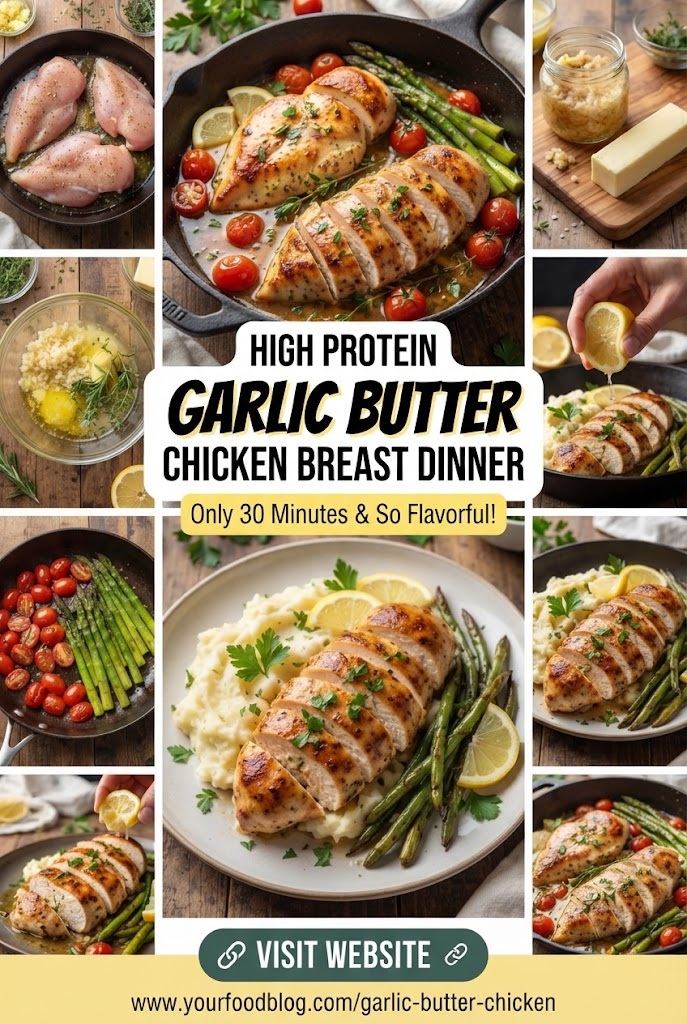
High Protein Garlic Butter Chicken Breast Dinner: A Culinary Masterclass
In the world of fitness nutrition and gourmet home cooking, few dishes manage to bridge the gap between “diet food” and “comfort food” as seamlessly as the High Protein Garlic Butter Chicken Breast. Often, those pursuing a high-protein lifestyle find themselves trapped in a cycle of bland, rubbery chicken breasts and steamed broccoli. But it doesn’t have to be this way.
This guide is more than just a recipe; it is a comprehensive deep dive into the art of pan-searing, the science of protein synthesis, and the flavor chemistry of one of the most beloved flavor pairings in history: garlic and butter. Whether you are a bodybuilder looking for a massive protein hit or a home cook wanting a 20-minute meal that tastes like a five-star bistro dish, this article provides everything you need to know.
Why Chicken Breast is the Gold Standard for Protein
Before we dive into the pans and spatulas, let’s talk about the star of the show. The chicken breast is arguably the most efficient protein source available to humans. It is lean, versatile, and packed with essential amino acids.
A standard 6-ounce chicken breast contains roughly 52 grams of protein with minimal fat and zero carbohydrates. For someone looking to build muscle or lose fat, this is the ultimate tool. Protein has a high thermic effect of food (TEF), meaning your body burns more calories digesting protein than it does fats or carbs. By pairing this lean powerhouse with healthy fats like butter (in moderation) and the medicinal properties of garlic, you create a metabolic powerhouse of a meal.
Ingredient Details in Form Shape
To ensure your success, you must have your mise en place (everything in its place) ready. Below is the structured breakdown of every component required for this masterpiece.
| Ingredient | Quantity | Form/State | Purpose in Dish |
|---|---|---|---|
| Chicken Breast | 2 Large (approx. 1lb) | Boneless, Skinless | Main protein source; provides the “meat” of the meal. |
| Garlic | 6-8 Cloves | Freshly Minced | The primary aromatic; provides depth and savory notes. |
| Unsalted Butter | 3 Tablespoons | High Quality/Grass-fed | Creates the silkiness of the sauce and aids in browning. |
| Olive Oil | 1 Tablespoon | Extra Virgin | Raises the smoke point of the butter to prevent burning. |
| Paprika | 1 Teaspoon | Smoked or Sweet | Adds color and a subtle earthiness to the crust. |
| Garlic Powder | 1 Teaspoon | Dried/Fine | Provides a base layer of garlic flavor on the meat. |
| Onion Powder | 1/2 Teaspoon | Dried/Fine | Adds sweetness and complexity to the spice rub. |
| Salt | To Taste | Kosher or Sea Salt | Enhances all other flavors and helps moisture retention. |
| Black Pepper | To Taste | Freshly Ground | Provides a sharp, pungent kick to balance the fat. |
| Fresh Parsley | 2 Tablespoons | Finely Chopped | Adds a pop of color and a fresh, herbaceous finish. |
| Lemon Juice | 1/2 Lemon | Fresh Squeezed | Cuts through the richness of the butter with acidity. |
| Chicken Broth | 1/4 Cup | Low Sodium | Used to deglaze the pan and create a luscious pan sauce. |
The Science of the Perfect Chicken Breast
One of the biggest complaints about chicken breast is that it becomes dry and “woody.” To avoid this, we must understand the protein structure. Chicken breast is composed of long muscle fibers. When exposed to high heat for too long, these fibers contract and squeeze out moisture.
1. The Importance of Room Temperature
Never take chicken straight from the fridge to the pan. Cold meat causes the muscle fibers to shock and tighten instantly. Let your chicken sit on the counter for 15–20 minutes before cooking. This ensures even heat distribution, allowing the center to reach the safe temperature of 165°F (74°C) without the outside becoming overcooked.
2. The Pounding Technique
Chicken breasts are uneven—thick at one end and thin at the other. If you cook them as-is, the thin end will be dry by the time the thick end is safe to eat. Use a meat mallet or a heavy rolling pin to pound the chicken to an even thickness (about 3/4 inch). This ensures every bite is equally juicy.
3. The Maillard Reaction
This is the chemical reaction between amino acids and reducing sugars that gives browned food its distinctive flavor. By drying the surface of the chicken with a paper towel before seasoning, you remove moisture that would otherwise cause the chicken to steam rather than sear. A dry surface equals a golden-brown, flavorful crust.
Recipe Detail: Step-by-Step Instructions
Follow these steps with precision to achieve a restaurant-quality result.
Step 1: Preparation and Seasoning
- Dry the Meat: Pat the chicken breasts thoroughly dry on both sides using paper towels.
- Evening Out: Place the chicken between two sheets of plastic wrap. Using a mallet, gently pound the thicker parts until the entire breast is of uniform thickness.
- The Spice Rub: In a small bowl, mix the paprika, garlic powder, onion powder, salt, and black pepper.
- Coat: Generously sprinkle the spice mix over both sides of the chicken. Press the spices into the meat so they adhere well.
Step 2: The Sear
- Heat the Pan: Place a large stainless steel or cast-iron skillet over medium-high heat. Add the olive oil and 1 tablespoon of the butter.
- Placement: Once the butter is bubbling and the pan is hot (but not smoking), place the chicken breasts in the pan.
- The Wait: Do not move the chicken for 5–6 minutes. This allows the crust to form. If you try to flip it and it sticks, it’s not ready. It will “release” naturally once the sear is complete.
- Flip: Turn the chicken over. Cook for another 4–5 minutes on the other side.
Step 3: The Garlic Butter Baste
- Reduce Heat: Lower the heat to medium.
- Clear a Space: Push the chicken to one side of the pan. Add the remaining 2 tablespoons of butter to the empty space.
- Aromatics: Once the butter melts, add the minced garlic. Stir it constantly for about 30–60 seconds until it smells incredible and turns a light golden color. Do not let it turn dark brown, or it will become bitter.
- Deglaze: Pour in the chicken broth and the lemon juice. Use a wooden spoon to scrape up the brown bits (the fond) from the bottom of the pan.
- Basting: Using a large spoon, continually scoop the bubbling garlic butter sauce over the chicken breasts as they finish cooking. This infuses the meat with flavor and keeps it moist.
Step 4: Resting and Serving
- Check Temperature: Use a meat thermometer to ensure the internal temperature has reached 160°F (it will rise to 165°F while resting).
- Rest: Remove the chicken from the pan and place it on a cutting board or warm plate. Pour the remaining pan sauce over it. Let it rest for at least 5 minutes. This allows the juices to redistribute through the meat.
- Garnish: Sprinkle with fresh parsley and an extra squeeze of lemon if desired.
Deep Dive into Ingredients: Why They Matter
To truly master this dish, you must understand your ingredients. Each component in this recipe serves a specific functional or culinary purpose.
The Power of Fresh Garlic
Garlic isn’t just a flavor enhancer; it’s a nutritional powerhouse. Garlic contains a compound called Allicin, which has been shown to reduce inflammation and improve heart health. In this recipe, we use six to eight cloves. While this may seem like a lot, the mellowing effect of the butter and the short sauté time transforms the sharp, pungent bite of raw garlic into a sweet, nutty, and savory richness.
Choosing Your Butter
Not all butter is created equal. For a high-protein dinner that prioritizes health, look for grass-fed butter (like Kerrygold). Grass-fed butter has a higher concentration of Omega-3 fatty acids and Vitamin K2 compared to grain-fed alternatives. It also has a richer, more yellow color and a distinctively creamy taste that elevates the pan sauce from “good” to “extraordinary.”
The Role of Acidity (Lemon Juice)
Fat (butter) and Protein (chicken) are heavy. To make a dish truly “sing,” you need balance. Acidity acts as a counterweight to the richness of the butter. A splash of lemon juice brightens the flavors and cleanses the palate between bites, making the meal feel light despite its indulgent taste.
Perfect Pairings: Completing Your High Protein Meal
While the chicken is the star, the side dishes determine the overall nutritional profile of your dinner. Depending on your fitness goals, you can choose between low-carb or high-carb pairings.
Option 1: The Low-Carb / Keto Approach
If you are focused on fat loss or maintaining a ketogenic lifestyle, pair your garlic butter chicken with:
- Garlic Butter Zoodles: Sauté zucchini noodles in the same pan you used for the chicken to soak up any remaining sauce.
- Roasted Asparagus: Tossed in olive oil and sea salt, asparagus provides fiber and micronutrients without adding many calories.
- Cauliflower Mash: A creamy, low-carb alternative to mashed potatoes that pairs perfectly with the garlic butter drizzle.
Option 2: The Muscle-Building / High-Carb Approach
If you are in a bulking phase or need energy for intense workouts, you need glycogen-replenishing carbohydrates:
- Basmati or Jasmine Rice: The rice acts as a sponge for the garlic butter sauce.
- Roasted Sweet Potatoes: The natural sweetness of the potatoes complements the savory garlic.
- Quinoa Salad: For even more protein, quinoa provides a complete amino acid profile and a nutty texture.
Advanced Techniques: Taking it to the Next Level
Once you have mastered the basic recipe, you can experiment with these professional techniques to further enhance the dish.
1. Brining for Ultimate Juiciness
If you have extra time, consider a “dry brine.” Salt the chicken breasts 2 hours before cooking and leave them uncovered in the fridge. The salt draws moisture out, dissolves into a brine, and then is reabsorbed into the meat, seasoning it deeply and breaking down tough proteins.
2. The “Cold Pan” Method (Optional)
While most chefs advocate for a hot pan, some modern techniques suggest starting chicken skin-on in a cold pan to slowly render fat. Since we are using skinless breasts, sticking to the hot pan for the sear is generally better, but “tempering” your meat (letting it sit out) remains the most critical factor for tenderness.
3. Infusing the Butter
Before you start the chicken, you can melt the butter separately with sprigs of rosemary or thyme, then strain it. This creates an infused fat that carries herbal notes throughout the entire cooking process.
Meal Prep and Storage
This recipe is a meal-prepper’s dream. Chicken breast holds up well in the fridge and can be repurposed into various meals throughout the week.
- Storage: Store in an airtight container for up to 4 days.
- Reheating: To prevent the chicken from drying out during reheating, add a teaspoon of water or a small pat of butter on top before microwaving. Alternatively, slice the chicken and gently warm it in a skillet over low heat.
- Repurposing:
- Salad Topper: Cold garlic butter chicken is delicious sliced over a Caesar or Greek salad.
- High-Protein Pasta: Toss sliced chicken with whole-wheat pasta, spinach, and a little extra olive oil.
- Chicken Tacos: Shred the chicken and add lime and cilantro for a quick fusion meal.
Troubleshooting Common Issues
Even the best cooks run into trouble. Here is how to fix common mistakes:
- The Garlic Burned: If your garlic turned black, the pan was too hot or you left it too long. Unfortunately, burned garlic is bitter and cannot be saved. It is best to wipe the pan and start the butter/garlic stage over.
- The Chicken is Tough: This usually means it was overcooked. Next time, use a meat thermometer and pull the chicken at 160°F.
- The Sauce is Too Thin: Let the sauce simmer for an extra minute to reduce, or whisk in a tiny pinch of flour or cornstarch mixed with water (slurry) to thicken it instantly.
Nutritional Summary (Per Serving)
Estimation based on one 6oz chicken breast with sauce:
- Calories: 380 kcal
- Protein: 52g
- Fats: 18g (mostly from butter and olive oil)
- Carbohydrates: 3g
- Fiber: 0.5g
- Sodium: 450mg (variable based on salt usage)
Conclusion: The Joy of High-Protein Cooking
Cooking a High Protein Garlic Butter Chicken Breast Dinner is more than just a way to hit your macros; it is an exercise in culinary mindfulness. It teaches you the importance of temperature control, the balance of flavors, and the value of high-quality ingredients.
By moving away from the “boiled chicken” mindset and embracing healthy fats and bold aromatics, you create a sustainable way of eating that supports your fitness goals while satisfying your palate. This dish is a testament to the fact that you don’t have to choose between health and flavor. With a hot pan, some fresh garlic, and a quality piece of chicken, you are only 20 minutes away from the best meal of your week.